How to Support Someone with Depression
Watching a loved one struggle with depression or low mood can be challenging, particularly when you don’t know what to say or do. Moreover, lots of people worry about saying the wrong thing. This is why we’ve put together several suggestions on how to support someone with depression. We’ve also addressed some common myths and included some vetted resources that might be helpful.

Know some facts about depression
Prior to attempting any tips on how to support someone with depression, it is often helpful to know a few key facts about depression.
Depression is one of the most commonly occurring mental health conditions in Ontario and in Canada more broadly.1 Nonetheless, not everyone who has depression will experience the same set or severity of symptoms. Symptoms of depression vary from person to person. Some individuals may be appear sad and teary, others may be irritable and short, and others yet may be disinterested and disengaged. Some folks with depression may lose their appetite, barely sleep, and move about slowly while others may overeat and gain weight, sleep excessively and be restless. These are all common emotional and physical symptoms of depression – there is no one way that depression “looks.”
Depression can be a debilitating mental health condition as symptoms of depression can affect a person’s performance and attendance at work or school, engagement in their personal relationships and at the more severe end, ability to engage in self-care activities like personal hygiene and grooming. Depression can also co-occur with other mental health conditions such as anxiety, chronic stress, and substance abuse making it more challenging to manage. Altogether, mental illnesses such as depression and substance use disorders are leading causes of disability in Canada.2
There is no one cause of depression – indeed genetic factors, life challenges, medical factors, brain chemistry, and daily activities can all play a role. Contrary to popular belief, simply “thinking positively” will not resolve depression.
Check in and offer emotional support
If a loved one, friend, or colleague has been seeming down or letting you know they haven’t been feeling well, checking in on them can be an enormous source of support. While symptoms of depression often leave a person feeling helpless, hopeless, and lonely, lots of folks feel relief, even if temporarily, when a compassionate and supportive person lends a listening ear. That’s why offering support is a key tip on how to support someone with depression.
How we check in and what we say matters. When checking in, try to stay away from making any judgements, or making light of their situation (e.g., “that doesn’t sound so bad” or “just try to stay positive”). Instead, focus on being an active listener and showing understanding by acknowledging their experience. These behaviours are referred to as validation and empathy and may sound something like, “relationships are hard – of course you’d feel down after such a blow out with your spouse,” or “I’m sorry you were demoted, that’s tough,” or “it’s OK to not really be sure about what’s bringing you down.”
Letting the person you are checking in on know that you are there for them and care for them is another way to offer emotional support as folks with depression tend to isolate themselves and often feel lonely.

Encourage healthy activities
Depending on the persons relationship to you, getting them out of the house can be very helpful. A common tendency when people are depressed is to self-isolate and disengage from many activities, including ones they previously enjoyed. Unfortunately, this often serves to worsen one’s already low mood. Getting a loved one out of the house to do the things they enjoyed can be a real mood booster. It may not happen right away, but with repeated engagement with activities they used to like, or people who’s company they liked, mood can improve.
Some folks feel so depressed that activities that may seem like simple tasks to someone who is not depressed, can indeed be very challenging to a depressed person. To support someone who is very depressed and having a hard time with activities requiring lots of energy, promoting self-care activities like eating balanced meals, a routine, and gentle exercise like going for walks can be helpful.
Suggest professional help
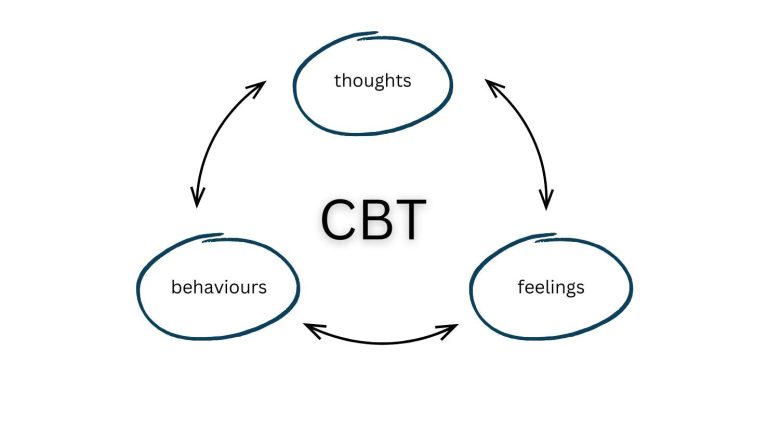
Research tells us that for mild to moderate depression, evidence based psychotherapies such as cognitive behavioural therapy (CBT) significantly reduce symptoms of depression. Interpersonal therapy is another evidence-based treatment. In other words, the appropriate therapy, by a qualified therapist, is effective in improving depression. Research also tells us that medication for depression is effective, including for more severe levels of depression.
Providing some hope and perhaps even gently suggesting therapy and/or medication might be something your loved one or friend hasn’t considered. Additionally, consider normalizing therapy – indeed, close to half of adult Canadians struggling with their mental health seek out the care of mental health counsellors.3 If you’ve been in therapy yourself, you can consider disclosing your own involvement in psychotherapy.

Don’t be afraid to discuss the “s” word
A common concern mental health professionals hear is that asking about suicide will somehow encourage suicide. For example, people worry that bringing up suicide if an individual isn’t already thinking about it might plant the thought in their mind. While this in itself is unlikely, consider the opposite for a moment: your loved one or friend is thinking about suicide and has no one to talk to about it because it either feels like a taboo topic or they feel ashamed. You asking about their safety could allow you to take steps to prevent a terrible occurrence.
We get it, suicide is a heavy topic and yet millions of Canadians and Americans contemplate suicide each year. Many of those who act on it do so hastily and perhaps even impulsively. Depression is no walk in the park and naturally people want relief. During particularly difficult times, the future looks glum and depressed folks are not feeling hopeful and thus sometimes suicide feels like the best way out.
If you feel that your loved one might do something imminently, and you don’t trust that they’ll be ok, calling a crisis line with them, 9-1-1, or taking them to your closest emergency department will be essential. If they have been having thoughts of suicide but have expressed that they are not planning to act on these thoughts, regular supervision or care under a family doctor, psychologist, or psychiatrist will be important. We’ve also compiled a list of crisis supports and community resources that you can find on our blog page and share with your loved one.
Offer resources
We understand that not everybody is ready or wanting to engage in psychotherapy or take medication, so for some, self-help resources for managing the symptoms of depression might be a first step. Offering resources is another way that you can support someone with depression. The Centre for Addiction and Mental Health (CAMH) has compiled a list of vetted resources you can share. The Centre for Clinical Intervention has also compiled created a self-help tool that is broken down into several smaller modules, based on key elements of CBT.
As noted above, you may also choose to share crisis supports and community resources.
Respect boundaries
Sometimes, despite our most earnest efforts, loved ones may not want our help. Its important to be respectful of one’s need for space and energy limitations. Because depression tends to significantly reduce energy resources and interest, engaging in tasks can be challenging for your loved one. Be sure to not push the other person too hard.
Take care of yourself, too
Finally, set realistic expectations for yourself and recognize your own limitations as a friend, spouse or colleague. Be sure to take care of yourself as well. If you feel overwhelmed or negatively impacted, take breaks, time and space for yourself, or seek support from someone you trust. If you find yourself having an increasingly difficult time managing, consider seeking out the help of a licensed mental health practitioner (i.e., psychologist, social worker or psychotherapist). Supporting someone with mental health challenges can be emotionally draining and its important to recognize the impact doing so can have.
Disclaimer: The information provided above is for informational purposes only and is by no means a comprehensive guide on how to support someone with depression. This blog is not professional psychological advice, a recommendation or endorsement of program/service, nor is it intended to be a substitute thereof. The information shared was deemed accurate at the time of publication, however, this blog is not regularly updated and therefore information may be dated and may not reflect the more current and accurate information over time.