Anxiety 101: Definitions, Causes and Coping
Overview of Anxiety
What is anxiety? Anxiety is a normal part of human life that we all experience to some degree. While some level of anxiety is normal and even helpful in certain situations (e.g., can motivate one to prepare for a job interview or focus during a test), excessive, chronic and intense anxiety can significantly impact daily life for the worse.
When anxiety is an overwhelming and persistent feeling that interferes with daily activities and affects our well-being, it is considered unhelpful or problematic. According to multiple studies1 and statistical analyses (e.g. Statistics Canada)2,3, anxiety disorders are among the most common mental health challenges people experience, affecting millions of people of all ages, from children to adults in Canada and around the world.
Understanding anxiety, recognizing its symptoms and effects, as well as learning practical strategies to cope with it are crucial to managing it and living a life where anxiety does not interfere with your daily tasks, goals, and quality of life. In this blog, we provide information on these important areas straight from the professionals.
What is Anxiety?
Anxiety is worry, nervousness, dread or fear about something that might happen in the immediate or distant future. While occasional anxiety is a normal part of human life, when it becomes chronic or interferes with you living your life in the way you wish, it could cross over into what is understood as an anxiety disorder.
According to the Diagnostic and Statistical Manual of Mental Disorders (DSM-5), which is the reference and authoritative guide for diagnosing mental health conditions, anxiety disorders are characterized by chronic, excessive anxiety that interferes with daily life. Anxiety disorders refers to a group of mental health conditions in which anxiety is the primary feature but the perceived threat itself varies.
Generalized anxiety disorder (GAD), social anxiety disorder, panic disorder, experiences of panic attacks, agoraphobia, and specific phobias (e.g., fear of heights, fear of driving, fear of insects, etc.) are examples of some of the most common anxiety disorders. Individuals who experience post-traumatic stress disorder, adjustment disorder, obsessive-compulsive disorder, depression, and/or substance use/withdrawal often also experience anxiety.
Symptoms of Anxiety
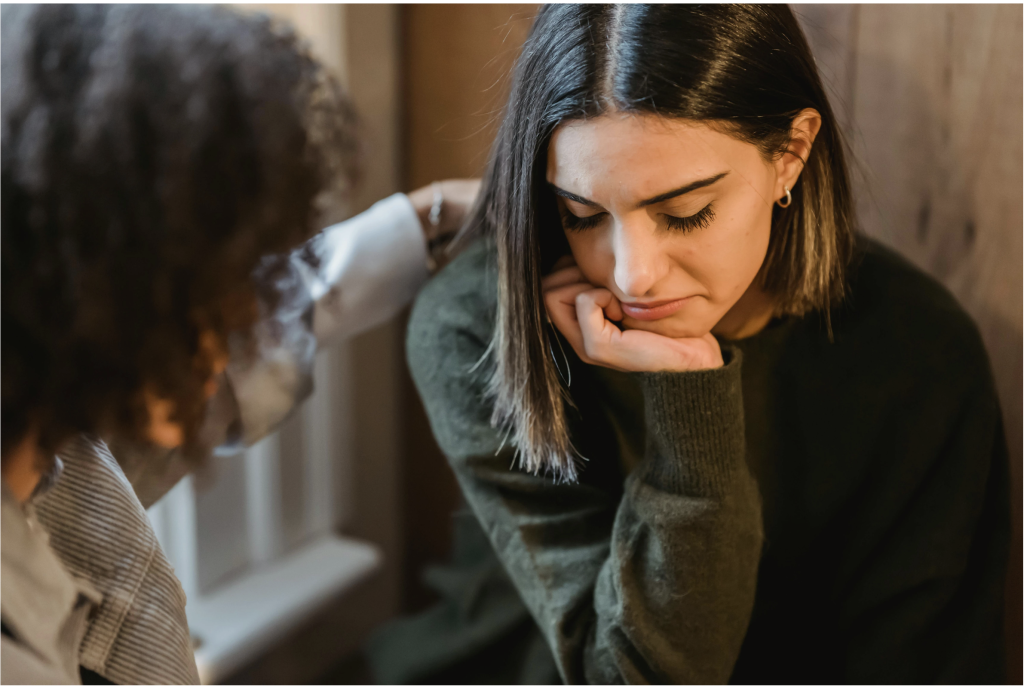
We can come to recognize anxiety through a variety of symptoms, including emotional, cognitive, and physical symptoms.
Some emotional and cognitive symptoms of anxiety disorder include:
- Feelings of nervousness
- Persistent fear
- Restlessness
- Worry
- Apprehension or the sense that something bad will happen
- Difficulty concentrating
- Irritability
- Fear of losing control
Among the physical symptoms of anxiety disorder are:
- Increased heart rate
- Sweating
- Trembling
- Difficulty breathing and/or rapid breathing
- Fatigue
- Nausea
- Dry mouth
- Abdominal distress or digestive problems
- Muscle tension
- Dizziness
Most people don’t experience all of the above symptoms, but recognizing several of them may suggest anxiety is at play and/or contributing to your emotional distress. Symptoms of anxiety vary in intensity and duration and are often exacerbated during stressful situations. Anxiety can significantly impact an individual’s ability to function effectively in their personal, academic, and professional life.
Causes of Anxiety
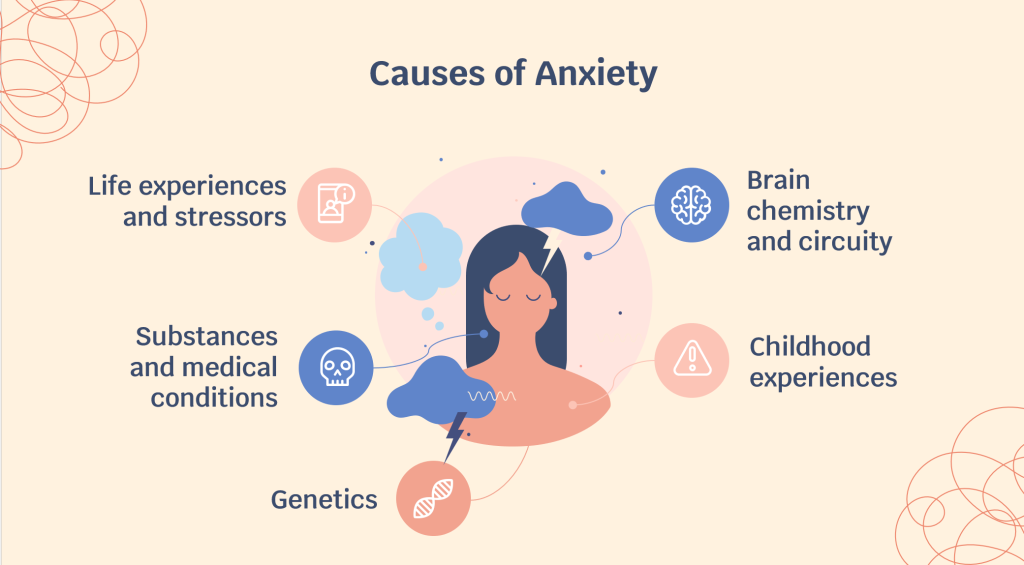
Psychological research has identified that anxiety is a complex condition influenced by multiple factors. Understanding these risk factors and possible causes can help in developing effective treatments and coping strategies for anxiety disorders. Amongst the most common causes are:
Genetic factors
Scientific evidence indicates that a family history of anxiety disorders can increase the probability of developing anxiety. Genetic predisposition plays a vital role in vulnerability to anxiety.
Brain chemistry and circuitry: some research has shown that imbalances in neurotransmitters can promote anxiety. Neurotransmitters are chemicals that transmit signals in the brain and may contribute to some mental disorders.
Childhood experiences
Growing up with parents who are overly cautious, overly critical and set very high standards, are neglectful, abandoning or rejecting, and/or suppress a child’s attempts at self-expression and self-assertion can increase the chances of developing problematic anxiety.
Life experiences
Traumatic events, such as abuse, the loss of a loved one or prolonged, cumulative stress, can trigger anxiety disorders, especially in those who are already predisposed due to genetic factors.
Environmental stressors
Factors such as climate change, discrimination, social/work pressures, and significant life changes and can cause anxiety.
Medical factors
Certain medications and the use of psychoactive substances can contribute to anxiety. Additionally, various health conditions are also linked to anxiety (e.g., hyperthyroidism, hormonal changes, infectious diseases, vitamin deficiency or overload).
Effects of Anxiety

Anxiety can significantly effect many areas of an individual’s life, including:
Daily activities
Persistent anxiety can make it difficult to manage everyday tasks, such as work or social interactions. It can lead to avoidance behaviours in which people stay away from situations that they feel could trigger anxiety.
Physical health
Chronic anxiety is linked to several physical health problems, including cardiovascular problems, gastrointestinal disorders, and weakened immune function.
Mental health
Anxiety often co-occurs with other mental health disorders such as depression and insomnia, amongst other psychological conditions, compounding the challenges faced by those affected. Cognitive functioning such as concentration and memory can also be affected due to the effects of anxiety and/or constant worry.
Social life and relationships
Social anxiety can hinder relationships and social interactions. Adults with anxiety may avoid social events or gatherings. Avoidance of social events may also negatively impact personal relationships and the quality of one’s family life.
Work and productivity
Anxiety can affect work performance and concentration. It can also interfere with some work interactions, such as teamwork or group projects that are required in some job settings.
Quality of life
Overall quality of life can be significantly diminished as anxiety hinders personal and professional relationships, sleep patterns, and overall well-being.
Effective Coping Strategies
Managing anxiety involves a combination of self-care practices, therapy which teaches coping skills, and, in some cases, medication. Here are some effective strategies:
Psychological Therapy (Psychotherapy)
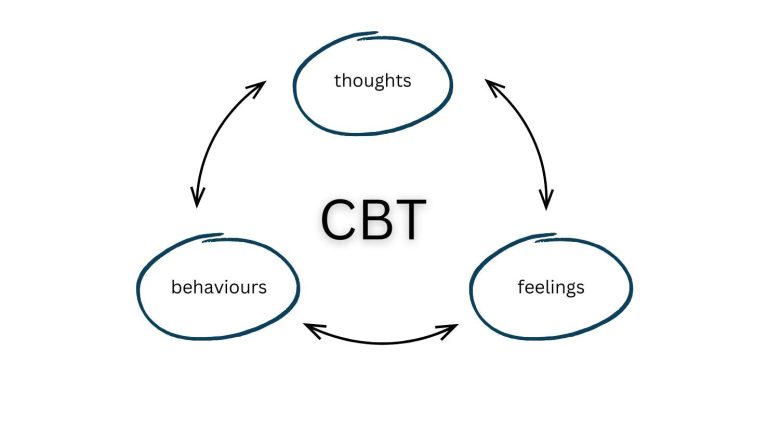
Multiple psychotherapeutic approaches can help the person deal with the anxiety disorder. However, cognitive-behavioural therapy (CBT) is particularly effective in treating anxiety disorders. It allows individuals to identify and challenge negative thought patterns as well as behaviours that can help manage anxiety in the short-term but contribute to the maintenance of long-term anxiety. Also, it helps clients identify unhelpful thoughts and replace them with more helpful and balanced ones. Therapy can also help clients work through situations that trigger anxiety.
Engaging in psychotherapy also contributes to one’s development of emotional coping skills through journaling, writing their thoughts and feelings to gain insight, practicing self-compassion by being kind to themselves and acknowledging that anxiety is a shared experience.
Relaxation techniques
Relaxation techniques can take a number of forms. This includes deep breathing, visualization, mindfulness, meditation, and yoga amongst other relaxation exercises. Regular practice of relaxation exercises can reduce anxiety by promoting deep relaxation and promoting physiological changes associated with a state of calm. Regular, daily, practice of deep relaxation can also generalize to times outside of the practice and can contribute to better management of anxiety overall.
Regular exercise
Scientific studies consistently highlight regular exercise’s natural and holistic benefits for physical and mental health. Physical activity triggers the release of endorphins, which naturally improve mood and provide a sense of muscle relaxation.
Engaging in regular exercise can also serve as a healthy distraction from anxious and ruminative thoughts, offering a sense of control and positive outlook on anxiety management. Some types of physical activity that have been found helpful include brisk walking, running, cycling, swimming, aerobic classes, and walking. Exercising in green spaces has the added benefit of allowing people to focus on their senses and shift their attention away from anxious thoughts.
Healthy lifestyle
Physical health specialists talk about the importance of maintaining a balanced diet, getting enough sleep and avoiding or reducing caffeine and alcohol intake, all of which can reduce anxiety symptoms. Additionally, avoiding or minimizing the consumption of substances that can alter the nervous system can support a person in managing anxiety.
Support network
Establishing and nurturing a support network is crucial for all humans, including individuals experiencing anxiety. A support network, which can include family, friends, or support groups, provides a sense of community and reduces feelings of isolation. Engaging in interactive activities with this support circle, such as conversations or group activities, can contribute to alleviating anxiety symptoms, making a person feel understood, experience a sense of belonging, and less alone in their journey.

The Role of Professional Treatment
Professional treatment plays a crucial role in managing anxiety. Treatment can be helpful and is recommended when a person is suffering emotionally, finds it difficult to manage aspects of their day-to-day life, or feels their life could be improved by reducing anxiety.
CBT is regarded as the psychotherapy with the most research supporting its efficacy in treating anxiety and can be used in combination with other helpful therapeutic modalities such as mindful-based stress reduction, and Acceptance and Commitment Therapy (ACT). Use of medications to control symptoms is also an effective method of managing anxiety. In some cases, particularly when psychotherapy or medication alone are not having the intended effect on anxiety, a combination of medication and psychological therapy is recommended. It is essential to consult healthcare professionals to create a tailored treatment plan that is right for you. We’ve compiled a list of community resources that you can find on our blog page to support you in finding and accessing care.
Disclaimer: The information provided above is for informational purposes only. It is not professional psychological advice, a recommendation or endorsement of program/service, nor is it intended to be a substitute thereof. The information shared was deemed accurate at the time of publication, however, this blog is not regularly updated and therefore information may be dated and may not reflect the more current and accurate information over time.